

Moving is not only about packing tapes and boxes. It is a good opportunity to declutter all the items that are not in use. A pre-moving de-clutter can reduce the house movers cost, simplify the process of packing and provide your new house with a fresh start. This room-by-room guide will assist you in determining what to keep and what not; particularly when you are planning to shift to a major relocation by taking help from the best long-distance movers Canada.
Why Decluttering Matters Before a Move
Moving is already a challenging task in itself, and it is not worth bringing in cases of unnecessary belongings that make the moving process complex. A clutter-free move:
- Lowers packing time
- Reduces moving weight
- Cost-effective when taking help from full-service moving companies
- Helps you get out clean in your new address.
When you get to know what to keep and what to abandon, making your whole moving process seamless.
Room by Room Decluttering Checklist.
A rough list of what to declutter in each room before making a move is provided below.
1. Living Room
The living room is the place where you might not be aware of items that you are storing there.
Declutter These Items:
● Old Magazines & Newspapers
Piles of magazines or newspapers are piling up. Reuse the ones that you do not require.
● Unused Electronics
The non-functioning of old speakers, cables, gaming consoles, or DVD players should be thrown, though electronic waste disposal centers help you out in this.
● Decor and Miscellaneous Items
Frames that are broken, old-fashioned decoration, mangled strings, and other similar objects can be donated or thrown away.
● Furniture You Don’t Use

In case you’re thinking of purchasing new furniture for your new house, sell the furniture that is not of use. This reduces both the load as well as house movers cost.
2. Kitchen
A kitchen is the only place where you find unnecessary things.
Declutter These Items:
● Expired Food
Look in your cabinets, pantry, and fridge. The old and stale ones can be disposed of.
● Duplicate Utensils & Tools
You do not need five spatulas or three can-openers. Retain the best things and give the rest away.
● Old Containers
Plastic containers that have extremely bad conditions, boxes without lids, or jars with cracks should be disposed.
● Broken Appliances
Small appliances that are no longer useful will waste space during the relocation.
● Cookware You Never Use
You can donate extra pots, pans and baking trays that aren’t even touched.
3. Bedroom
Emotional touch is attached with bedroom, so take some time while sorting out items:-
Declutter These Items:
● Old Clothes
Give out those clothes not used in more than a year. The torn or stained clothes need to be thrown away.
● Worn-Out Bedding
New pillows, blankets, and bedsheets are available that have lost their texture, which can be changed after you move.
● Unused Accessories
You can donate jewelry, belts, or scarves that you do not wear.
● Sentimental Clutter
Recycling can be made of old notes, gifts or letters that lost their meaning. Only the things that really matter will be retained.
4. Bathroom
There is usually unseen clutter in the drawers and cabinets of bathrooms
In bathroom cabinets and drawers, you find unnecessary items that should be checked before moving
Declutter These Items:
● Expired Products
There are expiry dates in skincare and medicines as well as in makeup. Dispose of anything that is not in use.
● Almost-Empty Bottles
There are several half-full bottles of shampoos or lotions contributing to the clutter. Finish or discard them.
● Worn Towels
There are old towels, bath mats and washcloths that can be reused as cleaning rags or discarded.
● Broken Tools
The old razors, hair tools and toothbrushes that are in use should be disposed of, prior to the move.
5. Home Office
Due to the popularity of remote working, home offices have surplus supplies.
Declutter These Items:
● Loose Papers
Go through old papers and discard those that are not of use.
● Old Electronics
Laptops, keyboards, or chargers that are old and outdated can be recycled.
● Stationery
Sticky pens, sharpened-out pens, staplers that break, you do not have to carry them around.
● Books You Won’t Read Again
Give away books or sell books to shed off weight.
6. Storage Areas
The largest amount of clutter is normally found in attics, basements and garages.
Declutter These Items:
● Holiday Decorations
Broken or unused seasonal decor may either be thrown away or donated.
● Old Tools
Busted or rusty tools should be replaced.
● Sports Equipment
Sports equipment that has grown useless or is out of use can be sold or donated.
● Random Boxes
Years of storing something that has no use are likely not to be required in the new house.
How to Decide What to Keep
When you become stuck in the process of decluttering, ask yourself:
- Do I use this regularly?
- Does it still work properly?
- Will it fit in my new house?
- Would I buy it again today?
In case the response is negative, then this is the right time to declutter unnecessary items.
Prepare to Declutter Your Move.
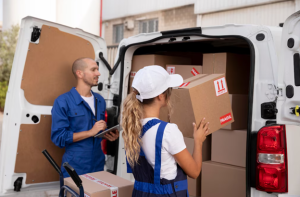
Decluttering is not something that can be completed in a single day. Start one month before moving to a new place and do it one by one room. When you are finished with all the stuff that you don’t need, it becomes much easier to pack your essentials, furniture and other items; the weight load will reduce that makes your moving cost-efficient and effective with the best long distance movers Canada.
You need to hire full service moving companies when you have already cleared the clutter. Movers are faster, and the overall house mover cost will be reduced automatically.
Conclusion
When you declutter all your unnecessary items, eventually it will help in relocating that leads to saving money and reduces stress. When all your items are packed and reduced, the day of your moving will be easier. If you’re looking for skilled relocation services, expert treatment and a hassle free process for your relocation journey, Number 1 Movers will be willing to assist throughout the process.